
Transcripts
[00:00:00]
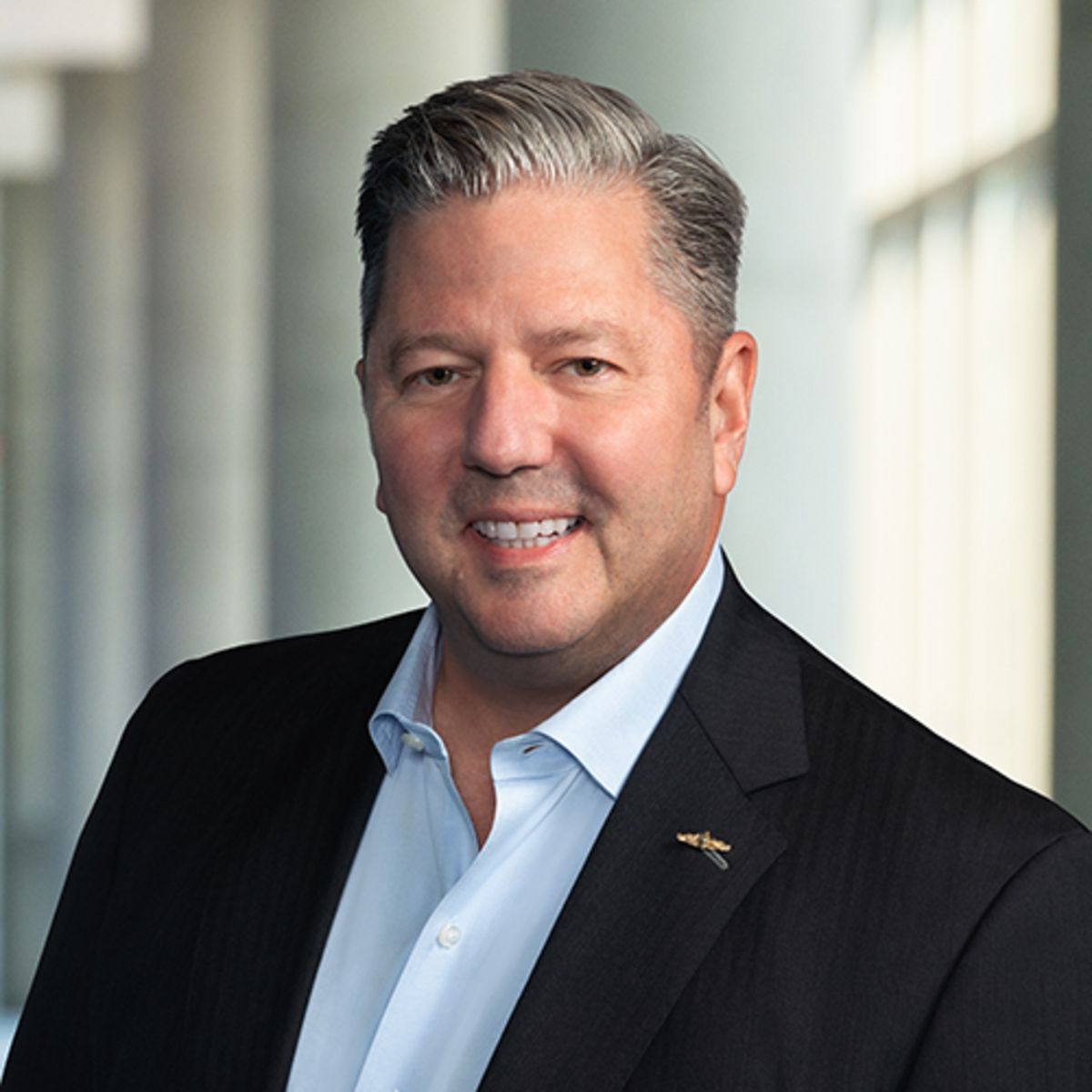
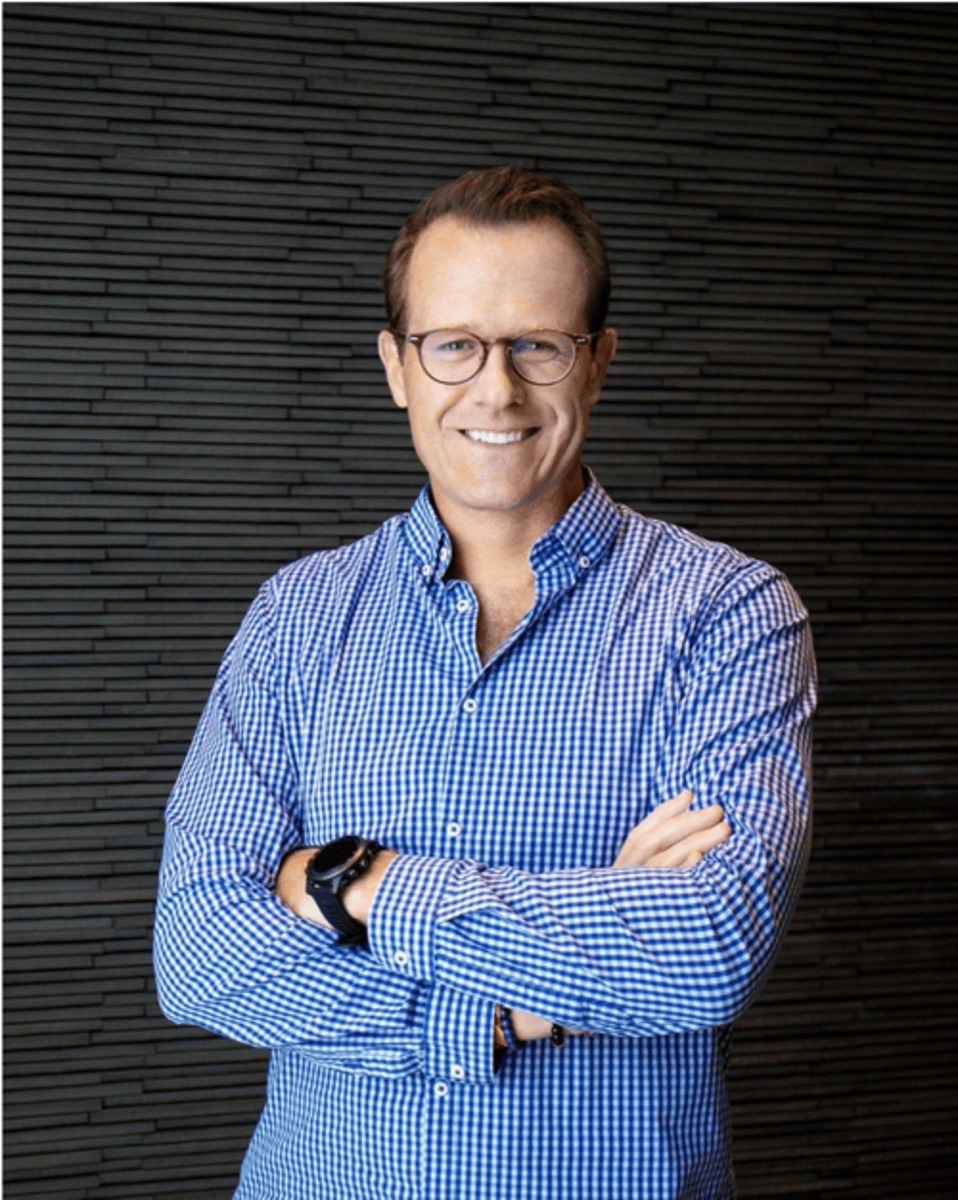
Scott Love: Hey, this is Scott Love, the editor-in-chief of The Rainmaking Magazine. Our guest today is Matt Dixon, author, PhD, focusing in the area of business development for professional services firms.
Matt, thanks for joining us today.
Matt Dixon: Hey, Scott. Uh, great to be here. Great to see you again.
Scott Love: Absolutely. It is great to see you again, and congratulations on your book, the Activator Advantage. Thank you. Absolutely right. I've read this. This is a resource I recommend everybody that's in professional services pick it up and learn what an activator really is.
And so my first question for you is this. You talk about. A core problem that the activator advantage solves that most professionals don't even realize that they have this. Mm-hmm. And how do you uncover that? What, what exactly is that problem, Matt?
Matt Dixon: [00:01:00] Yeah, so I think, you know, if we take a step back, Scott, and we think about the world of professional services, it's, it's really revolved on this axis for a hundred years now, which is the belief that, I'd call it the trusted advisor axis, which is the belief that if I do great work for my client, if I build a deep relationship with them.
That client can be relied upon to keep coming back to me over and over again. This is why in professional services, there's such a massive advantage to being the incumbent, uh, uh, law firm, the incumbent consulting firm, the incumbent, uh, tax advisor, investment bank, et cetera. You tended historically to get following work.
But the problem is that that client buying behavior has really changed, and I would argue it's changed more in the past five to 10 years than it has in the previous a hundred years combined. Wow. And the change is this, is that these clients who once could be relied upon to come back to us over and over again for following work are much less, uh, inclined to do so.
So we ran a study, uh, where we looked at C-level decision makers and we asked them, think about [00:02:00] the last professional services firm you hired, uh, for a piece of work. If that firm did good work, delivered the business impact for which you hired them, if they delivered, uh, great work. If you had a good relationship with that firm, would you go back to 'em again?
If a new need arose that was aligned with their capabilities? You know, five years ago, these C-level executives, more than three quarters of them would say, sure. Why would, why would I shop around? Like, it's a lot of work for me to, to find a new provider. Today that number is around 50%. It's just north of 50%.
And that doesn't mean the incumbent won't get the work, but what it does mean is that you're not going to automatically get the work. You're gonna have to compete for the work. You're gonna get pulled into, you know, a tender or an RFP process. You're gonna be run through the ringer. You're gonna have to re-pitch your value, uh, to, to your existing client.
Moving forward five years from now, we asked these buyers and only about a third of them were willing to say, yeah, I would go back to the same firm again. So we have entered this era of client disloyalty, not loyalty, but client disloyalty. It's a much more competitive environment. There's a lot driving this.
We know in, in [00:03:00] law, for instance, of the rise of, um, alternative service providers, legal operations, and procurements, involvement in professional services spend and vetting that spend, um, managing, uh, outside provider spend. The rise of alternate fee arrangements. Um, and you know, one of the biggest ones I've heard Scott from, from buyers is the power of AI in the buyer's hands.
So imagine today's, you know, 10 years ago, the C-level executive that they had a new a need and I already have a go-to provider. I'm just gonna go back to them, but today I can ask Chat, GPT, here's our need. Who are the firms I should be talking to? And then you're gonna get a whole list of firms, the brand name firms you're probably familiar with, and then a lot of boutique and niche providers you've never heard of before.
And then you ask Chat, GPT, Hey, can you put together an RFP for me? And about how much am I gonna have to pay for this work? And that really puts firms and professionals in a really tough spot.
Scott Love: And I think that's why you see a lot of firms that have never thought about having to be proactive in doing business development.
Yeah, that's right. [00:04:00] Starting to do it. And that also it also impacts the recruiting world as well, which is on the periphery of everything that you're talking about. So I find that really interesting and I find, I find that those professional services providers. They've got really good marketing departments, but they can't just depend on them solely.
They have to be themselves. The activator. Absolutely. Yeah. Yeah, and, and so, so tell me about this then. How would you define the activator then? I've got some other questions to go into this also. Sure.
Matt Dixon: Yeah. You know, in the, so in the book, and I think one of the things that, and, and in the, the HBR article that proceeded it, it was called What Today's Rainmakers Do Differently came out, uh, at the end of 2023, November, December issue, I believe.
And, um, I think what was really appealing to people about the research we did, we collected data on 3000 partners, is that every partner. Uh, can be placed into one of five statistically defined profiles. And these are business development profiles, right? So this is not about how you execute the work. This is about how you go and win the work, how you, how you compete commercially in the market, how you win, retain, and [00:05:00] grow client business.
So all partners can be placed with one of five, and I won't go through all five, but you've got experts, confidants, debaters, realists, and the winning profile, which is the activator. And then to answer your question, Scott activators, uh, are super connectors. So they're all about, and you know, you hit on this just a moment ago.
Building and managing their professional network as their most important source of paid work, right? Um, yes, I'm gonna get leads from my marketing department, but most of my work is gonna come from my carefully curated and managed professional network. So these people are super active on LinkedIn.
They're really active at, at live events, right? They don't clump in the corner with their colleagues. They're working the room, they've set up the coffees and the lunches and the dinners. They've got, they've got a target list right now. Um. They don't simply collect business cards and LinkedIn connections.
What they're trying to do is activate those connections and turn, turn it into paying client work. And the way they do that is exactly what you said, um, a moment ago, Scott, which is they proactively bring new ideas to clients now [00:06:00] in the professions. I think we've all grown up in this world where we kind of sit back, we don't feel like selling, right?
'cause selling is. It's unseemly, it's unwanted by our client. We don't bring ideas to them. If the client needs our help, they reach out to us. They know how to get ahold of us. They've got our email, they've got our phone number. They can find us, they can fill out a form on the website if they wanna talk to us.
And so we sit back and we, in the words of one CEO, we aggressively wait for the phone to ring. Uh, who is the way he described most of his partners, but. Activators are different. Activators are bringing ideas to clients before clients recognize a need, before they see a threat, an opportunity, whatever it is, they're bringing these ideas proactively.
And what's so interesting about this, Scott, is that they're not pay, they're not charging clients for that. What they're trying to do is pay it forward. One activator said, look, my paid work, my billable hours, that pays my bonus this year. It's all the unpaid work that I do that pays my bonus next year and the year after.
And the year after that. Obviously you've gotta be very careful and really focused on where you deliver that paid work, because time is our biggest enemy as professionals where we're selling and [00:07:00] delivering. Um, but activators are proactively bringing these ideas and, and they're doing it to establish a posture of goodwill.
Uh, towards the client. They're, they're doing it to give the client a feel for what working with them might be like, especially for a new client, right? Maybe I'm working with an incumbent law firm or consulting firm, or accounting firm. Give me a feel for what it's like to work with you. Let's engage in a conversation.
I don't wanna worry about getting an invoice from you, but I wanna keep the tires a little bit on you as a professional, you know, as an advisor. And then importantly, what they're really trying to do is shape the client's understanding of that idea before the client has even realized it is an idea or an oppor, a threat, or an opportunity.
And, and if they do it right in a way that leads to them, where they create kind of an uneven playing field that, Hey, Scott, even if you shop this workout, you make me compete through an RFP process with my con with my competitors. I've got a leg up because I've shaped your understanding of the opportunity.
And by the way, I'm the one who brought it to you while everyone else is waiting for the phone to ring. I had enough forethought. Consideration, and I was helpful [00:08:00] enough to bring this idea to proactively. And then the last thing I'll say about the activator is they're super collaborative. You know, a lot of partners are all about, you know, see, they see clients as their client.
It's not the firm's client. I want the client to be loyal to me, and I live in fear of the bad stuff that might happen if I introduce a colleague from another practice area, maybe another office, another market. I bring them into my client relationship. And what if they rock the boat? If I don't have that many deep client relationships, I can really be set back in terms of my book of business.
And so I keep people out, right? I don't put any notes in the CRM system. I get upset when other people wanna call into my clients. Um, I always tell 'em, now is not the right time. Activators do the opposite. They're always looking for opportunities to bring colleagues in. Why do they do that? Well, they know clients are less loyal today, and you're way better off as a professional if you can shift the client's loyalty from me.
We, so if we're supporting a client across multiple initiatives, multiple matters, multiple priorities, um, many parts of their strategy, that is a much stickier [00:09:00] relationship than if the client's just buying a piece of business from me. That's an easy come, easy go kind of relationship. But if we're supporting the client broadly, that's the kind of relationship a client thinks twice before they kind of cut the cord and go with the competitor.
Scott Love: And I think those law firm leaders that understand that mm-hmm. Where the goal could be to institutionalize a client, build it, harvest work for everybody. Absolutely. And then incentivize their partners to do it. Not just economically, but in terms of you have more status internally because you're the one that is activating things and bringing people in on the meeting.
Yes. You're a big deal in our firm. I mean, they're all doing well. Yeah. What do they need? Another $5,000 a year? No, they need status internally. I think that moves the needle in, uh, quite a bit on that also. Well, sure. And,
Matt Dixon: and I would say. Firm leaders are all talking about this, right? Yeah, Scott, they've been pushing this rock uphill for a long time, is like, let's bring the breadth of our firm's capabilities to bear for our clients so we can solve the most complex, most strategic needs for our clients.
That's high margin work. That's sticky work. It's transformational work for our clients. That's where everyone wants to play. Nobody wants to do this low end transactional stuff. That's [00:10:00] what firm leaders are pushing. And so you're right, when activators do this, their names are in lights. Right? Even if they're not, uh, they're not generating that business for themselves, but they're doing it on behalf of the firm.
That is the kind of approach that firm leaders are really looking for today.
Scott Love: Absolutely. Right. And let me ask you this. Let's say people are taking advice, they've read your book. Mm-hmm. They're taking action steps and they're getting meetings. Mm-hmm. What practical steps can professionals take to quickly establish trust and authority in that first meeting?
What would you recommend? Yeah.
Matt Dixon: Well, I, I'll tell you what the, um, let me maybe start with what I wouldn't recommend. So we see this a lot, um, in, uh, in meetings that that professionals brought in. So whether these are initial meetings or these are pitch meetings, you see a lot of, um, credentialing that happens.
This is like the safety blanket for the professional. It's like. Let me tell you all about me. Let me tell you all about all the clients that have hired me. Let me, you know, show you some client verbatim about how great I am. Let me tell you about the cases I've won. Let me tell you about the, the matters I've worked on, the, the initiatives I run for big clients.
Um, and that's what we, we tend to lead [00:11:00] with. Um. What activators understand is a great client meeting starts with the client, right? It starts with an insight that the partner has about a new way to make money, save money, mitigate risk, grab market share, win the war for talent. Again, whatever the objective is that we help clients with, it starts with an insight, and that insight leads to you as a professional, to your team, to your firm.
And ideally you do it in a way that creates a category of one, right? But it's grounded in what's going on in the client's world. It's not grounded in your resume. And I think that's the first thing a lot of, um, a lot of partners get wrong. I think the other thing is, you know, clients, we talked about this before, clients, one of the biggest frustrations they have, um, about partners is that.
Partners only sell their own expertise, and it frustrates the heck outta clients when they've gotta walk the halls of your firm and knit together a solution on their own. They see this as the partner's job. Don't make me figure out what your firm does and come up with a, an integrated solution. You should be doing that, right?
[00:12:00] That's what I expect of you. But when we go to a pitch meeting, go to a client meeting, we bring our team, and then the senior partner does all the talking and everyone else is just taking notes. What does that tell the client? That tells the client you're not very collaborative. Right? Um, this is not a, this is not gonna be a, a unified firm approach.
This is gonna be a, um, you know, a rockstar approach, not a rock band approach, if that makes sense. And then the last thing I, I'd say that we tend to see a lot in meetings, especially in pitch meetings, is it's just. Not memorable at all. Like there's just a lot of stuff in there that's not memorable whatsoever.
And what activators really do is they try to, um, uh, optimize for those peak moments to borrow a term from, uh, uh, Dan Heath. Um, they try to focus on this kind of the power of moments and key moments in the pitch, uh, that are memorable. And there's lots of ways to do that. It says it could be as simple as, um, telling the client during a pitch, Hey.
If you would, I handed out sticky notes. I'd like everyone to put a sticky note on this slide. If you remembered nothing else from this conversation, I want you to remember [00:13:00] what's on this slide. This is what makes our approach unique. Like that kind of thing is really memorable, right? But there's lots of ways we can engineer those peak moments.
But generally speaking, if a client's meeting with like five providers, all those presentations sound the same and an hour later, you can't remember who said what, right? It all kind of bleeds together.
Scott Love: Yeah, that's interesting. So let me ask you this final question about how do you think writing this book has impacted you personally?
Has that, how has that changed your approach to influence and decision making in your own life?
Matt Dixon: Oh gosh. Um, that's a great, that's a great question, Scott. I think, you know. For me, it's, um, bringing a level of intentionality towards, so if activator, I think is, its at its simplest level, is flowing purposefully and proactively flowing value through it and network that you have, uh, engineered and that you have built and you have cultivated.
And I think there's a lot to that, right? So I think one is. I've gotta be more intentional about, um, building and managing my professional network. This doesn't mean I've got a lot of LinkedIn [00:14:00] connections and followers. This doesn't mean having personal one-on-one relationships with all of them. But what it does mean is thinking more strategically about who are in my tier, who's who are my, uh, relationship tiers from the inner circle.
Those clients that I could text on a weekend and they'll text me right back, right? All the way down to maybe those, the lower tier, which it's folks that I'm just starting to engage with. Maybe I met at a recent conference. We engaged over a LinkedIn post, or maybe they followed up with me after they heard me on, on your podcast, Scott.
You know, and, and they're interested and, and so we've got some engagement there and they fit my ideal client profile and I'm trying to move them up. I'm trying to move them to paying work and ideally into that inner circle of really deep client relationships that I got. So I think some intentionality and more purpose in, in managing my network, that's one thing that's changed, um, uh, in terms of how I spend my time.
Uh, and then I think the other thing is, uh, uh, proactively bringing insights. Again, I think the biggest fear that, um, that partners have, and I wouldn't even say partners, but, but uh, you know, uh, people in general, business people in general, is [00:15:00] when we reach out to our client between paid work. It comes across as salesy, right?
It's clearly we're just trolling for budget dollars, but I think we've always gotta remember that, um, yes, it's a frustration for clients to knit together solutions on their own. But actually the biggest frustration to clients is that they don't hear from the partners they hire often enough. When it's not, they're not engaged in paid work.
Those partners disappear, and we gotta remember, our clients are so heads down on their business. Their strategy, their priorities. We are gonna talk to more clients just like them in a week than they're gonna talk to all year. That's true of me. That's true of you, Scott. That's true of any professional out there.
And we've gotta remember, part of the reason our clients hire us for work is they want access to what we know. All the other conversations we're having were a window into the market that they don't have access to themselves and they rely on us to bring it to them. Help me look around corners. Help me think about, um, ideas that I'm not thinking about right now, but maybe your most innovative clients are.
I will always make time for that conversation. So I think again, it's more of that intentionality [00:16:00] of like, what's the thing I know that my clients need to know? Especially those clients who aren't working with us yet, and how do I proactively bring those ideas to them as a gift, and then that creates the basis for a conversation and ultimately leads to paid work.
Scott Love: Those are all great ideas. Matt, again, thank you for being here on the Rainmaking Magazine. We'd love to continue to feature your work to all of our readers. Thanks so much for sharing your wisdom with us today.
Matt Dixon: Thanks, Scott. I appreciate the invite