

Being a Media Resource for Lawyers
In today’s marketplace, media visibility can be another tool for building and sustaining a practice. Clients and prospects pay attention to who shapes the conversation in their industry. They notice which lawyers are quoted, who delivers insight at a conference, and who can take complex issues and make them clear. When you position yourself as a resource, you not only raise your profile but also strengthen the credibility of your firm.
Strategic media work can become a means for deepening client relationships, opening doors to new matters, and reinforcing your standing as a trusted adviser. With thoughtful planning and the right support, you can be a voice clients seek out when they want perspective that matters.
For those looking to move from advocate to authority, here are a few of my practical steps that can make a difference:
Be ready. Just as lawyers prepare for oral arguments or client presentations, they should rehearse for media interviews. This could be formal training, but on a day-to-day basis a good media team helps with reporter background information and anticipate questions to be answered. If you have a media team, be sure to work closely with them to help prepare you.
Collaborate with communications teams. Effective media engagement is a partnership. Working closely with communications professionals ensures that you’ll be positioned to follow key trends, mine promising opportunities, and get the key placements to reach the right audience. Be willing to take the time to share with the media team what is going on in your practice area and your business development goals, and ask them for their advice and ideas on who to talk with in the press.
Start small, build momentum. Not every interview will land in a major feature story. Writing bylined articles, offering commentary to trade publications, or engaging thoughtfully on LinkedIn are all effective ways to establish authority. That authority, repeated regularly over time, builds a strong personal brand.
Measure impact. Track not only media hits, but also the business conversations that follow. Send your stories to your clients and follow up if a media mention sparks a new client inquiry. Include the coverage in client pitch decks. Have the media team send the stories around the firm to adjacent practice groups. This network effect helps to create conversations that are as important as the coverage itself.
By taking these extra steps, you can build a strong media profile that reinforces the work you are doing in business development.
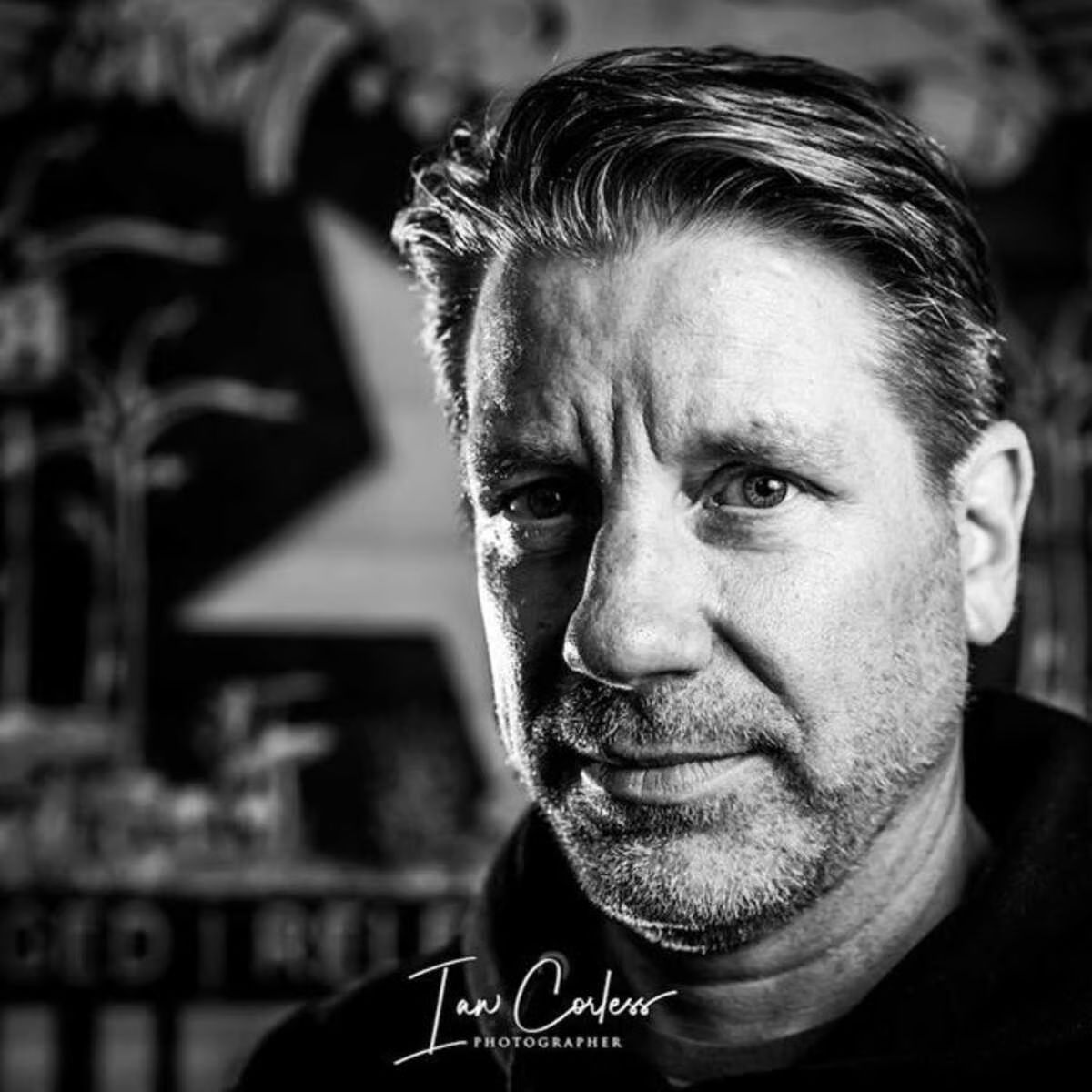
Allan Schoenberg is the chief communications officer at Vinson & Elkins, leading a team that oversees brand services, media relations, internal communications, rankings and digital strategies. With extensive experience in the financial services sector, he excels in crafting multi-channel communication strategies to enhance a firm’s brand and reputation.